
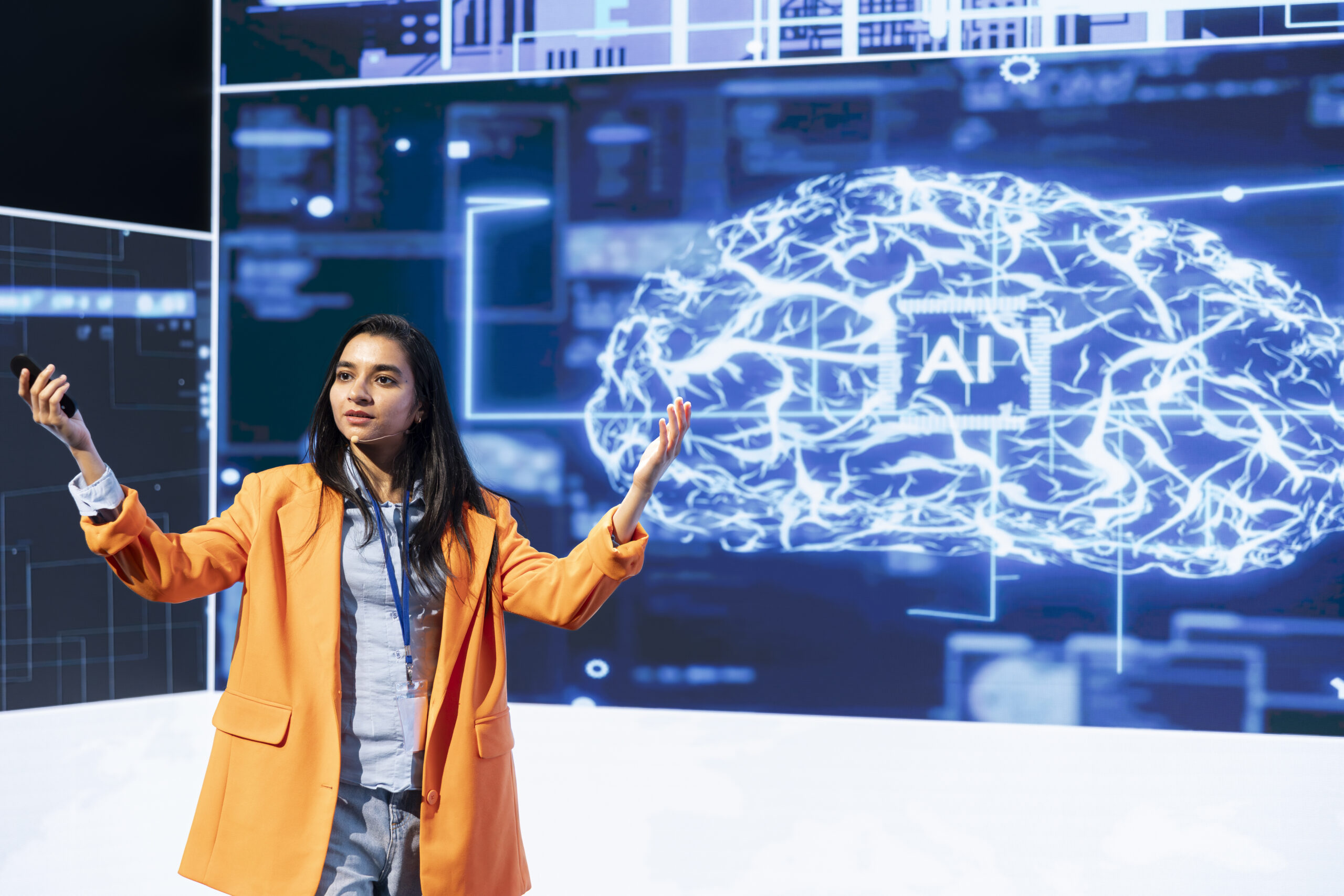
With the development of new technological innovations, AI marketing has become an essential component of any marketing plan. With the help of artificial intelligence technologies, businesses can perform many tasks automatically, personalize the experience of customers, and make decisions which will bring real success to companies. Following AI marketing trends, one can be able to surpass other players and succeed in achieving desired outcomes.
Emerging Trend and Technology: AI Marketing
AI-driven marketing includes many different trends and technologies. Businesses should focus their attention on such important issues as content creation, chatbots and virtual assistants, predictive analytics, social media marketing, and others. As a result, companies may achieve great results by making use of new opportunities which artificial intelligence offers.
AI-driven Content Creation
Artificial intelligence makes it possible to create content at a very fast pace without neglecting quality. There are a lot of different tools like WordLift, Content Blossom which will help businesses generate engaging blog posts, social media content, and other materials. AI-driven content creation will help companies save lots of time and money which could be spent on other important tasks.
Besides, it allows businesses to personalize content created to meet the needs of particular customers. For instance, AI-powered chatbots will be able to generate conversational content which corresponds with preferences and requirements of customers. This way, it becomes possible to create more engaging and relevant content.
Chatbots and Virtual Assistants
Another important AI-powered marketing trend includes chatbots and virtual assistants. They will help organizations deal with many different problems associated with the customer support and services. By means of the mentioned tools like ManyChat and Dialogflow, businesses can create conversational interfaces that help promote their products.
Also, chatbots and virtual assistants help companies personalize interactions with customers. AI-driven chatbots will offer personalized advice, deals, and other interesting content. The application of these tools helps deliver a more human-like experience without losing scalability and efficiency.
Predictive Analytics
Predictive analytics plays an important role in AI-driven marketing. Machine learning algorithms together with data analysis will help organizations understand customer behavior and forecast trends. Such tools as Salesforce and HubSpot help businesses predict customer churn, identify upsell opportunities, and improve their marketing activities.
Predictive analytics will not only help companies make smart decisions but also personalize the experience of customers. By using AI-driven predictive technologies, one can create targeted offers, recommendations, and other content that will be very useful for each client.
Social Media Marketing
AI-driven social media marketing is another important trend which should be taken into account by marketers. With the help of AI technologies, it becomes possible to perform routine tasks and automate the process. For instance, tools like Hootsuite and Buffer help businesses schedule social media posts, analyze engagement, etc.
At the same time, AI can assist organizations in creating personalized content for their audience. There are special AI tools which can be used for developing custom content, campaigns, and advertising which appeal to individual customers. Using these solutions, businesses can achieve better results without losing efficiency.
Future Directions of AI Marketing
The future of AI marketing seems bright and promising because many important technological innovations are emerging. New trends like voice marketing, augmented reality marketing, blockchain marketing, and others may help organizations achieve their desired outcomes. For instance, voice marketing solutions like Amazon Alexa and Google Assistant help create special campaigns and content.
New developments like blockchain and augmented reality marketing may help organizations offer their clients special solutions. Blockchain-based tools can ensure secure and transparent marketing campaigns, whereas augmented reality can help create special experiences for clients. Thus, businesses have a possibility to maximize their chances.
Maximizing ROI through AI Marketing
Maximizing ROI with the help of AI technologies requires the implementation of the most effective solution. Companies need to take advantage of various AI trends which will help to simplify the process and ensure success. For example, AI-driven marketing automation tools like Marketo and Pardot will help in simplifying email marketing, lead scoring, content creation, and other important tasks.
AI marketing also allows businesses to customize experience of clients by creating personalized content, offers, and other recommendations. With the help of solutions like Salesforce and HubSpot, businesses will be able to create special content which appeals to each customer. In general, companies can get more success from marketing efforts with AI-powered technologies.
Conclusion and Call-to-Action
To conclude, one should note that AI technologies transform the modern marketing sphere. They help to automate numerous tasks, personalize interactions, and make informed decisions. To stay competitive in the market, it is crucial to pay attention to AI-driven content creation, chatbots and virtual assistants, predictive analytics, AI social media marketing, and other emerging trends.