

It is becoming increasingly difficult to create quality videos each year as there are millions of people who regularly use YouTube. In order to reach new audiences, creators have to make efforts to produce excellent videos. Even the best video creators could benefit from the AI solutions that would help in making edits, offer suggestions, and increase popularity of YouTube videos. Luckily, there are plenty of AI applications aimed at helping YouTube creators.
AI-Powered Video Editing Tools
Producing good YouTube videos requires great amounts of time and efforts from creators. However, some AI applications can reduce time spent on editing by automating certain processes. Thus, these applications can analyze the content, identify mistakes, and offer necessary corrections. The following are some examples of AI-based video editing tools:
Adobe Premiere Pro: This is a professional software used in movie and TV production due to unique features. Adobe Premiere Pro can automatically change colors and perform audio ducking.
DaVinci Resolve

This is another tool that is free and open-source. DaVinci Resolve offers a great number of AI tools that allow for automatically performing color grading and audio noise reduction.
Luma

This is a web-based platform that uses AI algorithms to do editing. Creators upload footage, select a certain template, and the application performs everything automatically. Luma offers a wide range of templates and customizable features.
AI-Assisted Video Analysis and Optimization Tools
AI tools can not only edit videos but also analyze and optimize them. Thus, analyzing certain metrics, tools can offer advice to optimize the video.
Google Trends
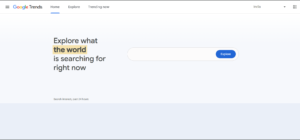
This is a free application that performs analysis with the help of AI technology. Google Trends suggests tips about optimizing video content.
TubeBuddy
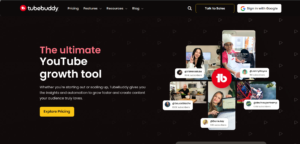
This is a browser extension that contains various AI-based applications. TubeBuddy makes it possible to analyze video engagement metrics and give suggestions concerning footage.
VidIQ

Another AI tool that shows several metrics that require optimization of the video content. The key feature of VidIQ is AI technology.
AI-Driven YouTube Growth Strategies
AI tools help in forming content optimization strategy basing on real data. These tools analyze data and identify trends. What is more, AI tools may give recommendations about optimizing content.
Social Blade
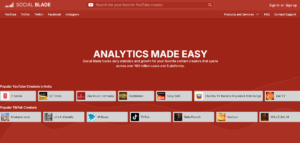
This is a tool for identifying growth rates, such as views, engagement metrics, and target audience.
HypeAuditor

It is a platform that analyses YouTube videos and offers AI-powered growth strategies in terms of views, engagement metrics, and target audience.
Influencer Marketing Hub: Another service for analyzing YouTube videos and getting growth insights.
Tips for Using AI on YouTube
The usage of AI applications on YouTube is highly beneficial for creators. With these tools, creators would be able to make the process of editing and optimizing much easier. Below there are some tips for using AI on YouTube:
Start using the basic AI tools first; then try more complex AI technologies.
Make sure that your videos maintain the highest level of quality.
Try not to expect immediate changes.
Remember about the emergence of new technologies.